
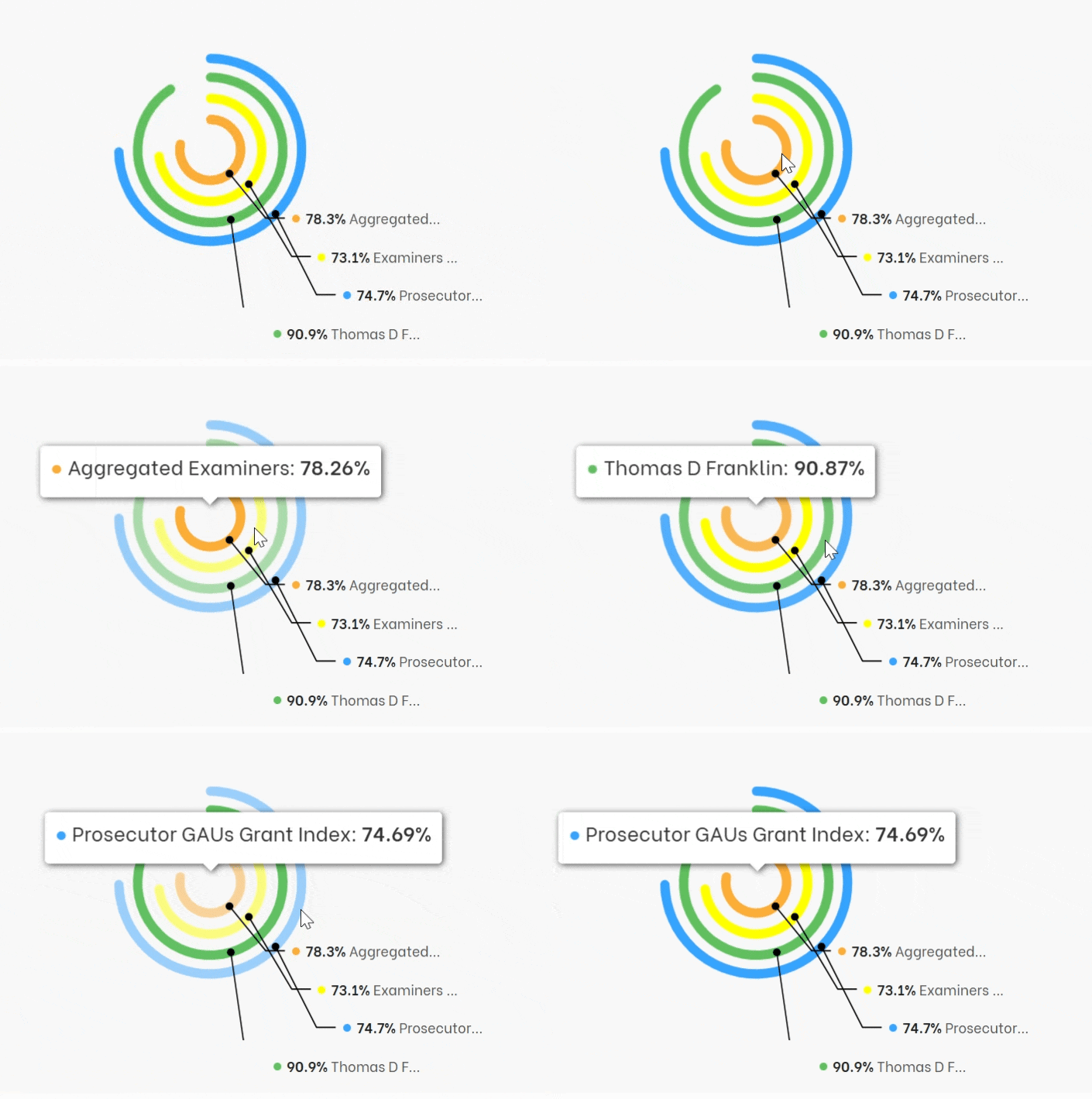

90% allowance rate against a tough examiner (70% allowance rate)
90% allowance rate against a lenient examiner (95% allowance rate)

Sign up to create your account and get access to prosecutor analysis.
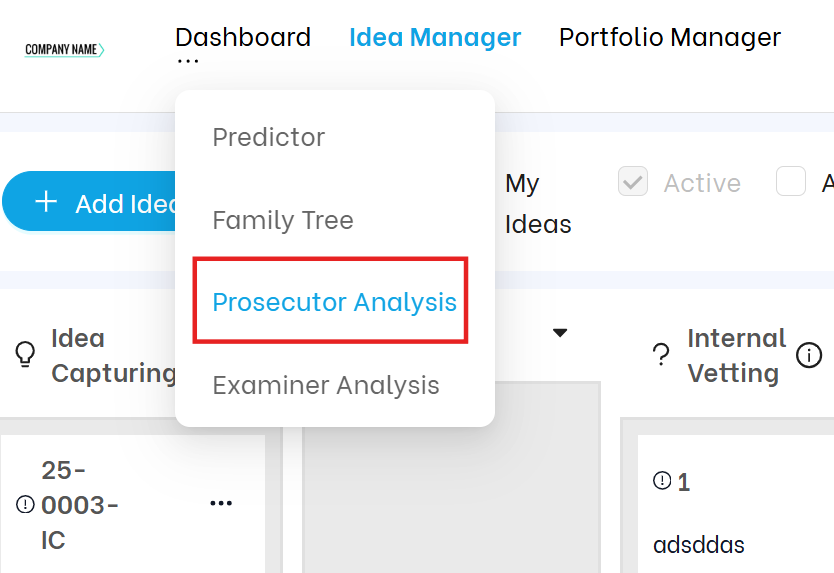
Sign up to create your account and get access to prosecutor analysis.
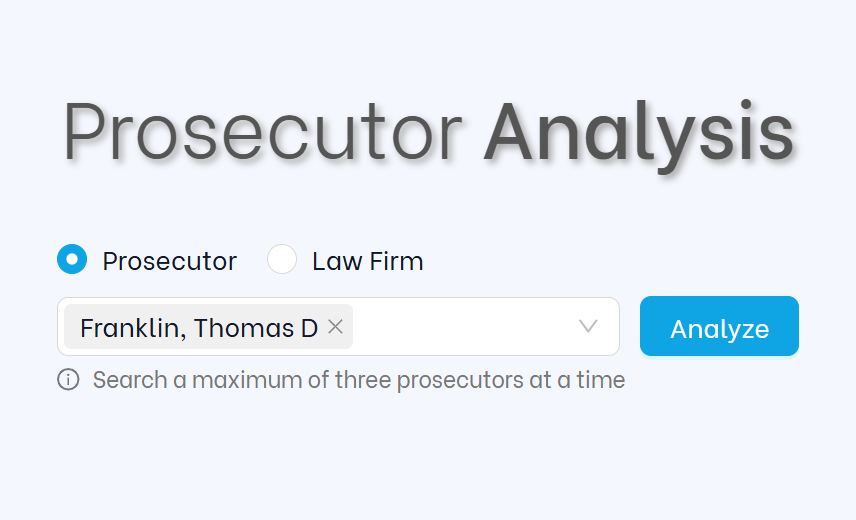
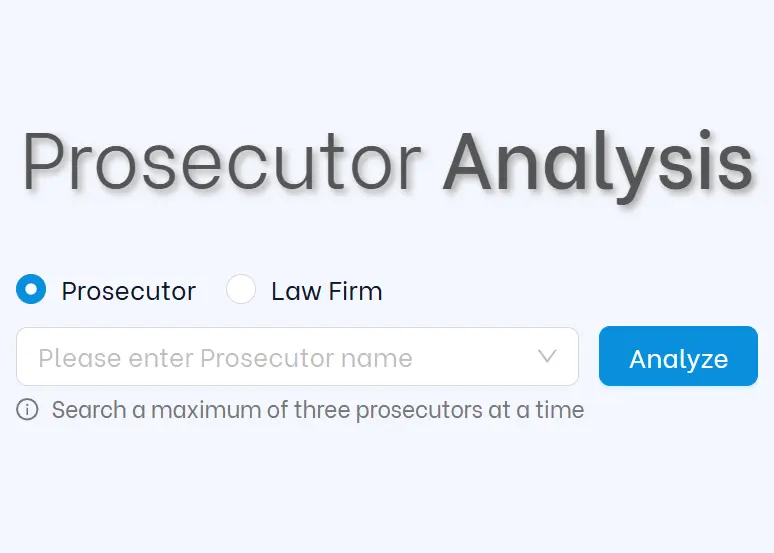
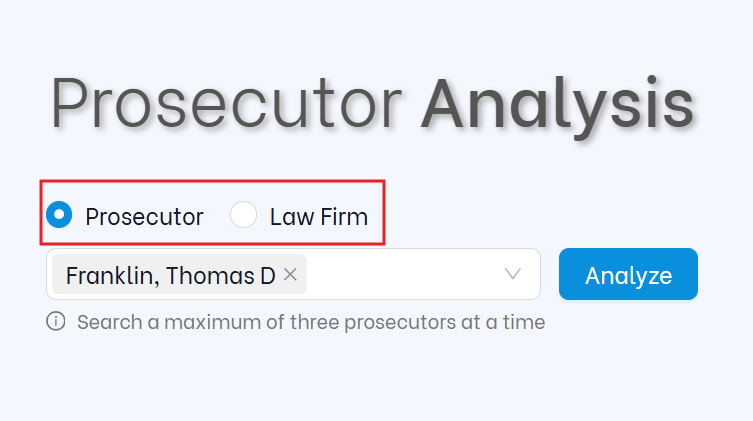
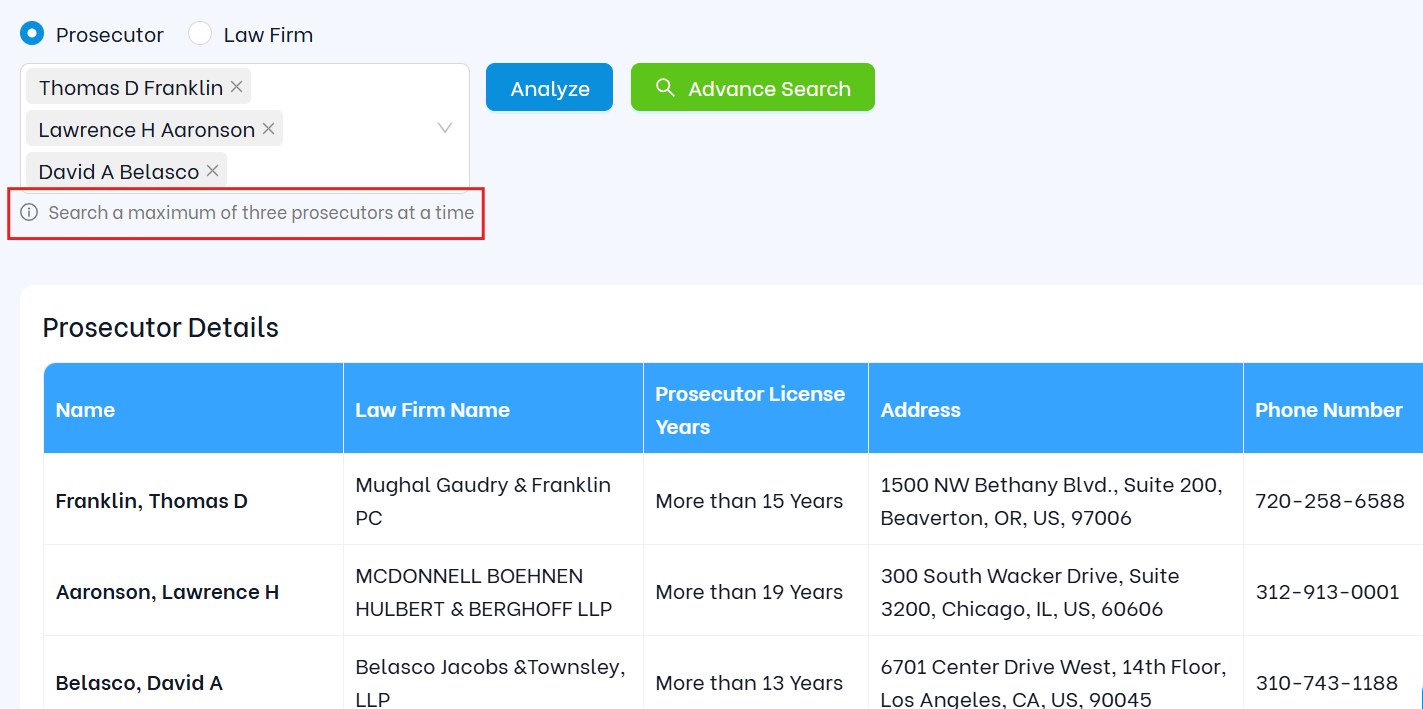
Use the search bar to find a specific prosecutor or firm you want to evaluate.
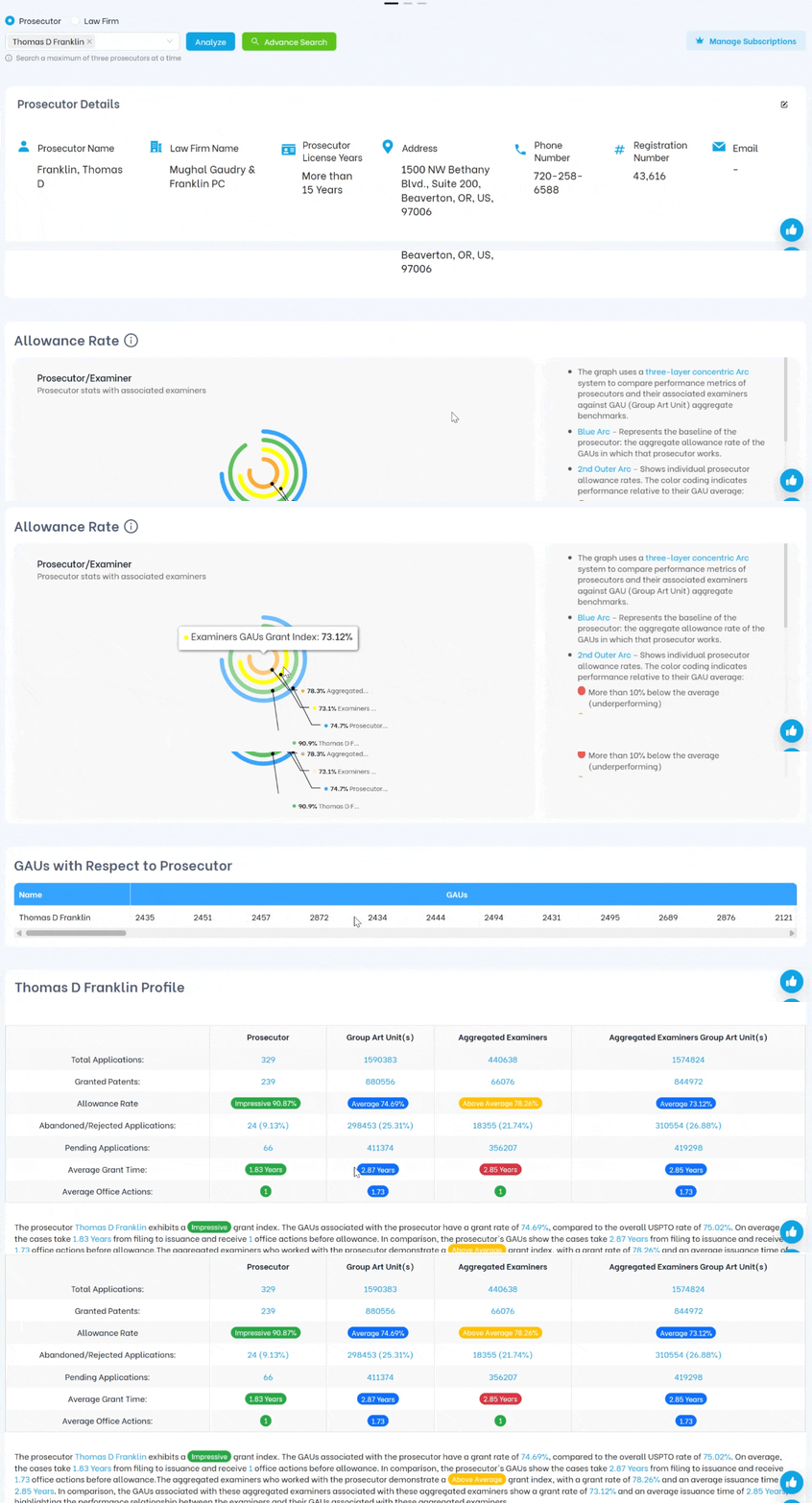
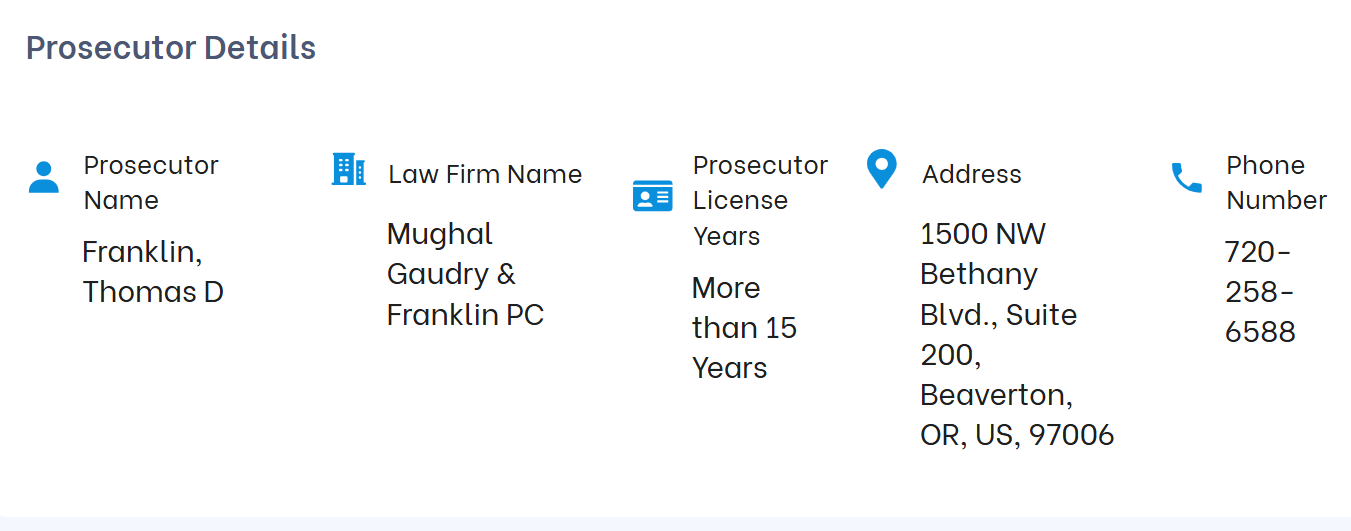
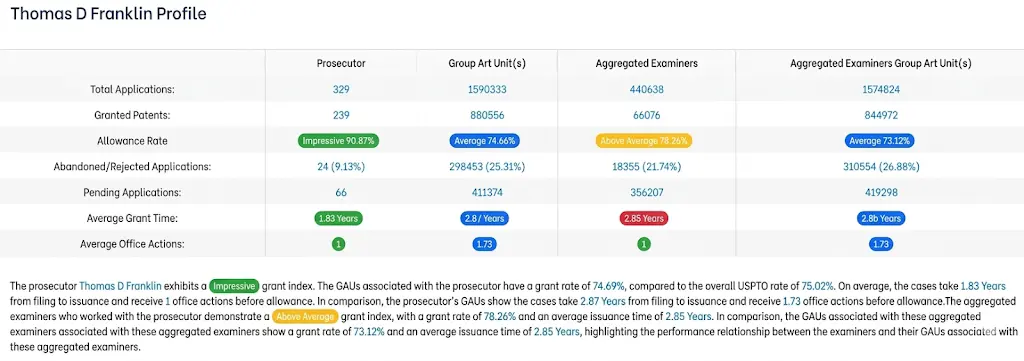
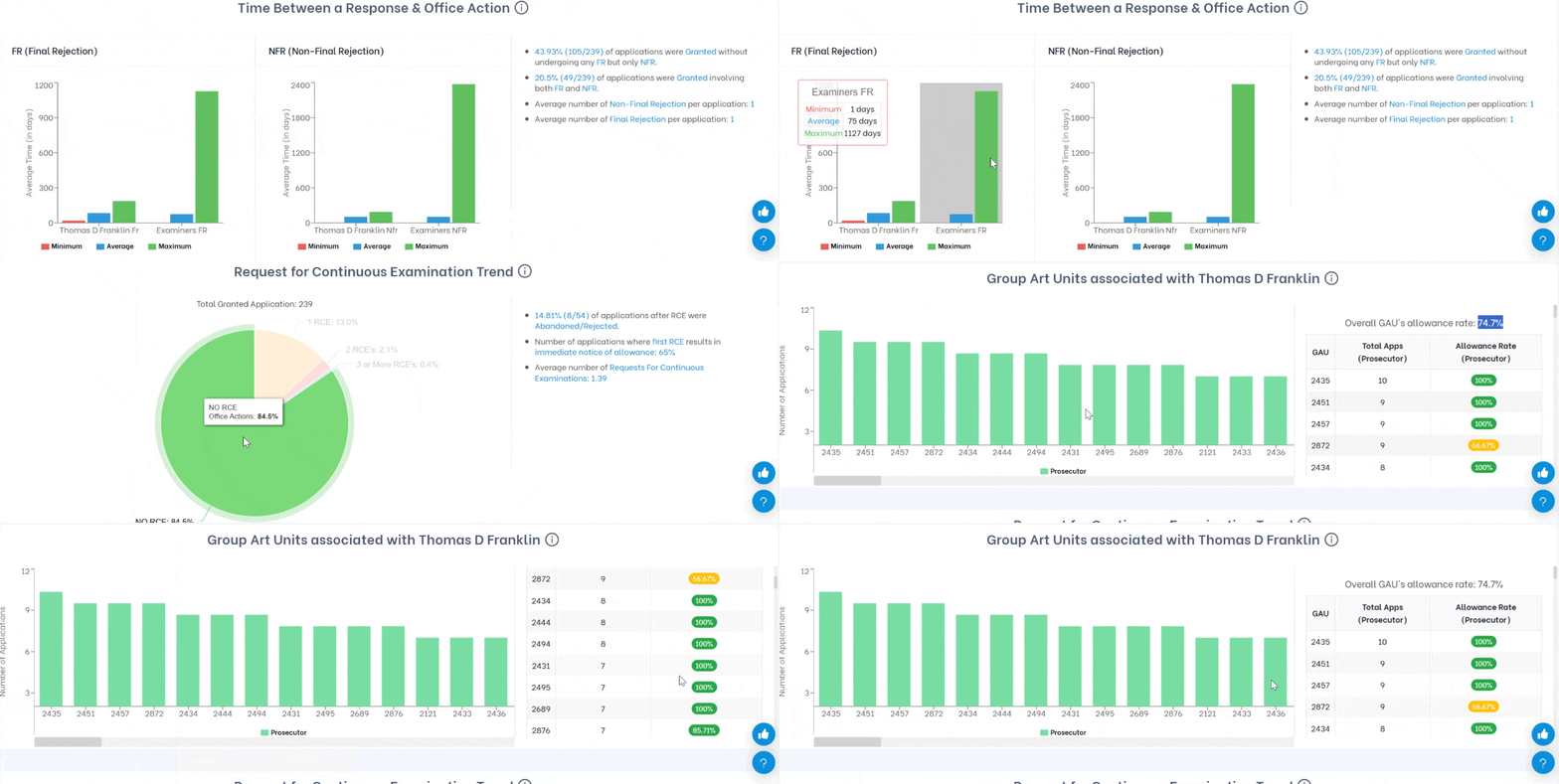
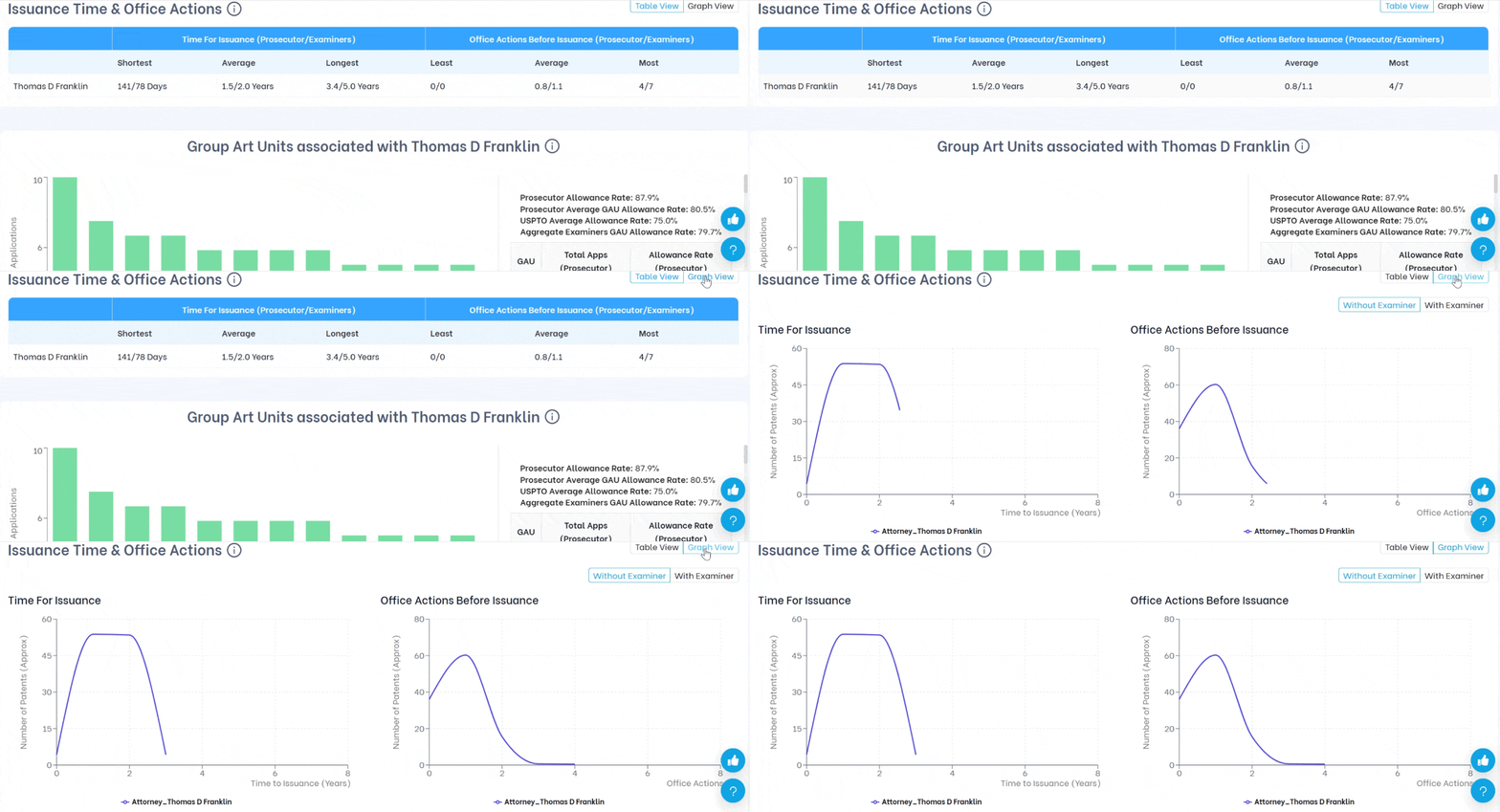
See allowance rates, timelines, office actions, RCEs and other trends against the examiners they worked with and and the GAUs they were assigned to.

Use Triangle IP’s Art Unit Predictor to see where your application is likely to land and steer clear from the tough ones with actionable insights.
Use Triangle IP’s Examiner Analysis to review allowance patterns, prosecution rounds, and timelines. Then decide if you should push, negotiate, or abandon the case
See parent, continuation, divisional, and foreign counterpart relationships at a glance. Identify expansion opportunities and align portfolio strategy with more clarity.


Start with the law firm if you want a broad view. Then look at the individual attorneys within that firm to see who has worked on cases like yours.
Check the technologies they handle, the art units they work in, and how recently and frequently they’ve been active.
A strong track record doesn’t always mean current fit. Someone who rarely takes new work today may not be ideal. Finally, review their associated applicants for potential conflicts, especially if they work with your competitors. This helps you choose with confidence instead of relying only on the firm’s name.
Not on its own. A 90% allowance rate only becomes meaningful when you look at the context behind it. If that prosecutor works in art units or with examiners where allowance rates are already much lower, 90% may reflect genuinely strong prosecution skill.
If they work in areas where the allowance rate is already very high, the same number tells a different story.
That’s exactly why Triangle IP’s Prosecutor Analysis shows each prosecutor’s allowance rate alongside examiner and GAU benchmarks so you’re always reading the number in context.
Yes, sometimes. Attorneys who consistently take on the most difficult cases — complex technologies, contested claims, or tougher examiners — may show lower allowance rates as a result. The same is true for those who push for the broadest possible claims, which naturally face more resistance. The data gives you context to ask better questions, not a final verdict. Use it alongside your own understanding of what your cases actually involve.
Yes, you can. There is no government fee for changing patent counsel. The new attorney or law firm may need some time to get up to speed on your cases, though many firms will absorb that onboarding effort to earn your business. That said, making a more informed choice early rather than switching mid-prosecution, saves time and keeps continuity on your cases.
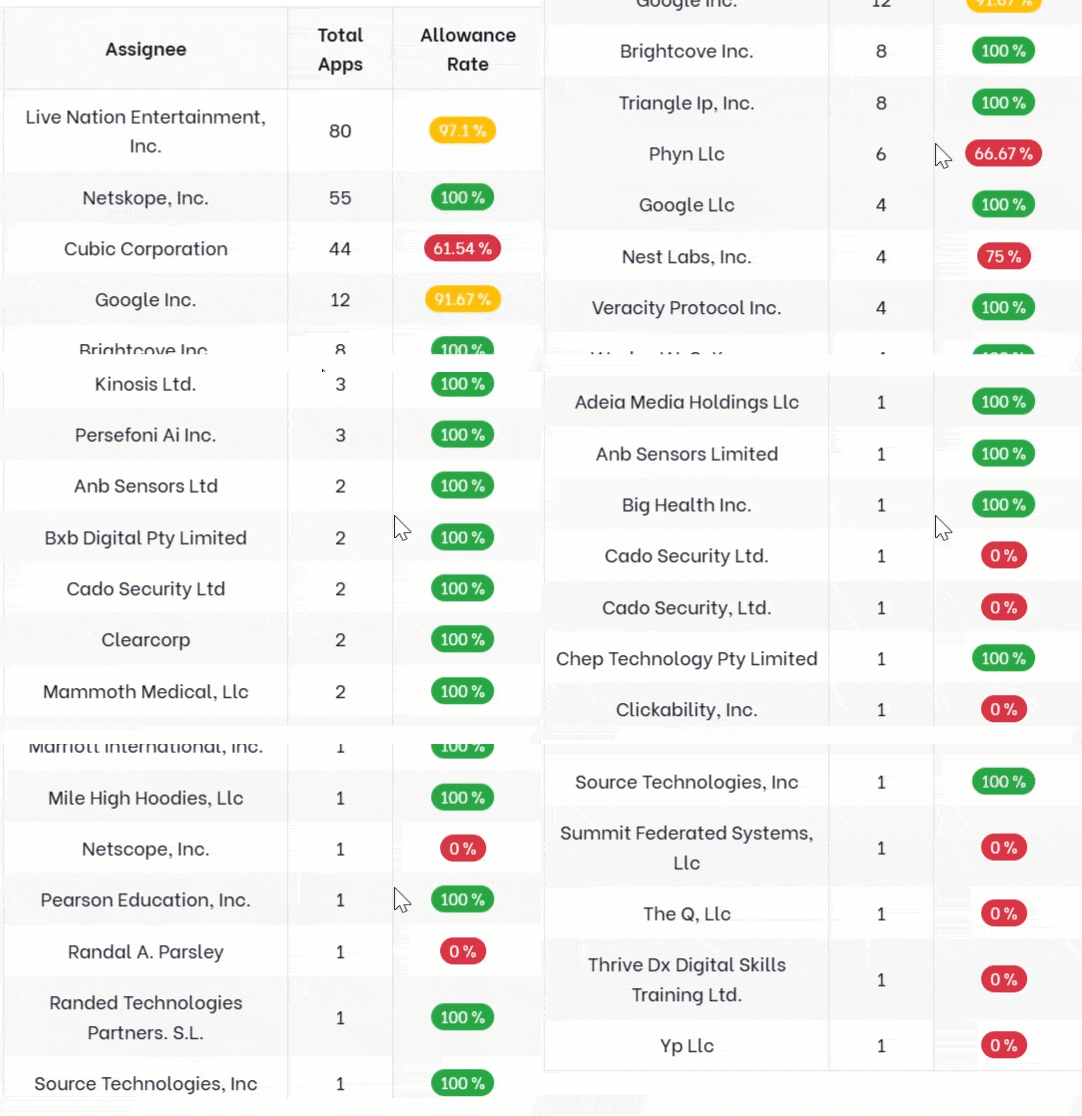
Yes, it can. The tool shows which applicants a prosecutor works with most often, giving you a clearer picture of who they regularly represent. If you want to avoid overlap with competitors or closely related companies, this information helps you look carefully before making a decision.